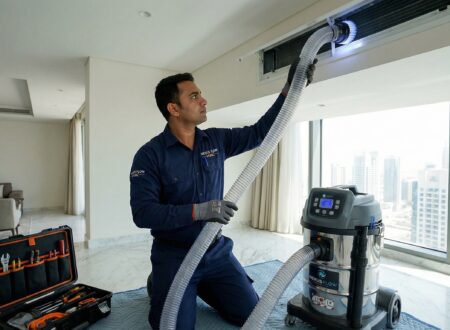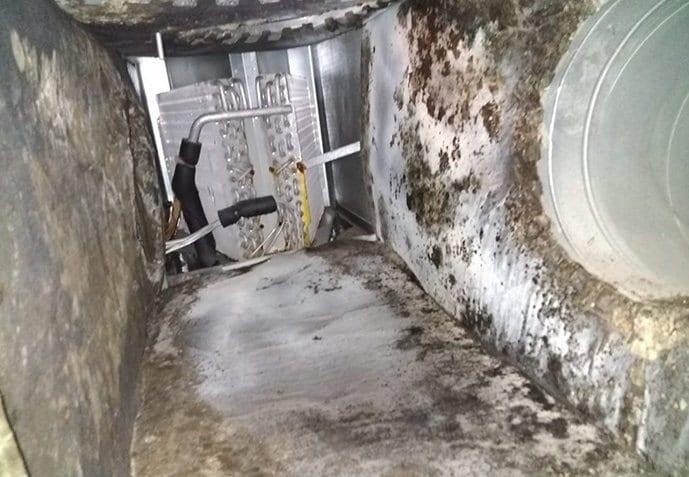
Your air conditioning system may look clean from the outside, but inside your AC ducts lies an unseen ecosystem quietly affecting your air quality.
At Bright & Swift, we often tell customers this surprising truth:
👉 The air you breathe is only as clean as your ducts.
Every time your AC runs, air travels through these ducts, picking up whatever is inside them. If they are dirty, you’re not just cooling your space, you’re circulating dust, allergens, and even harmful microorganisms.
Let’s open the invisible doors and explore what’s really living inside your AC ducts.
Why AC Ducts Become a Breeding Ground
AC ducts are dark, enclosed, and often slightly humid, the perfect environment for contaminants to settle and grow.
Over time, ducts collect particles from:
- Indoor air circulation
- Outdoor pollutants
- Human activity
- Pets and fabrics
Without regular cleaning, these particles don’t just sit there… they multiply, spread, and eventually return to your living space.
Dust: The Most Common Intruder
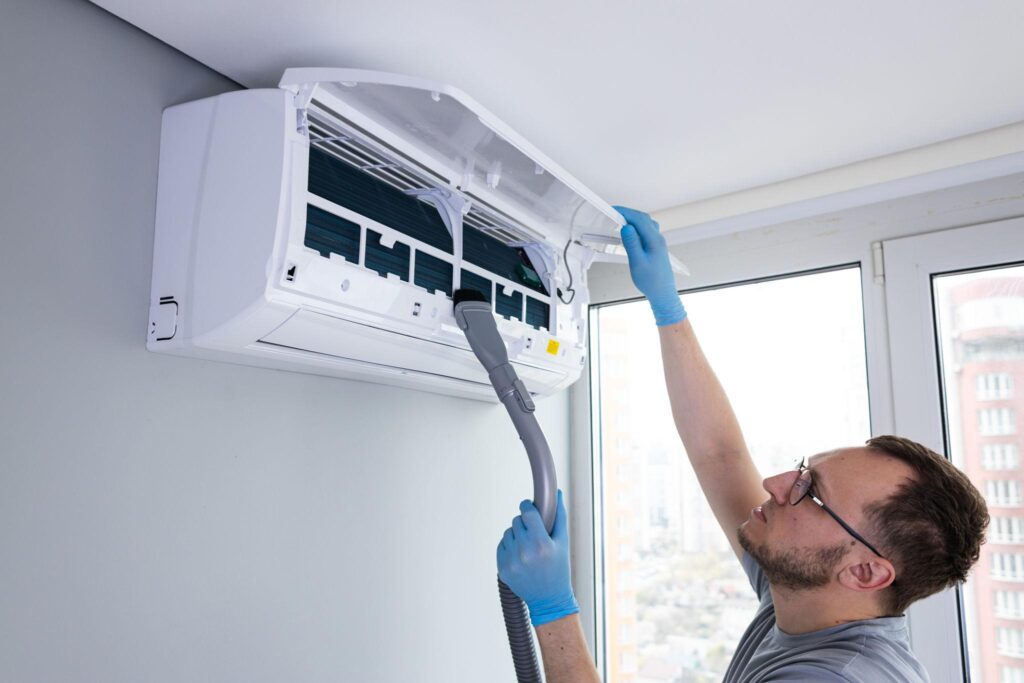
Dust is the most obvious and widespread contaminant found inside AC ducts.
What is Dust Made Of?
Dust is not just dirt. It’s a complex mix of:
- Dead skin cells
- Fabric fibers
- Hair and pet dander
- Soil particles
- Microscopic debris
Each time your AC runs, these particles are pushed back into your environment.
How Dust Affects Your Health
- Triggers allergies and sneezing
- Causes throat irritation
- Worsens asthma symptoms
- Reduces overall air quality
How Dust Affects Your AC System
Dust buildup also impacts performance:
- Blocks airflow
- Reduces cooling efficiency
- Forces your AC to work harder
Mold: The Silent Threat Inside Ducts
Mold is one of the most dangerous contaminants that can develop inside AC ducts.
Why Mold Grows in Ducts
Mold thrives in:
- Moist environments
- Poor ventilation
- Dust-filled surfaces
AC systems often create condensation, and when moisture combines with dust, it creates the perfect breeding ground for mold.
Health Risks of Mold Exposure
Mold spores can spread quickly through your air system, leading to:
- Respiratory issues
- Chronic coughing
- Skin irritation
- Headaches and fatigue
For people with allergies or weak immune systems, mold exposure can be particularly harmful.
Signs of Mold in AC Ducts
- Musty or damp smell
- Visible black or green spots near vents
- Increased allergy symptoms indoors
Allergens: Invisible but Harmful
Allergens are microscopic particles that trigger allergic reactions, and your AC ducts can become a major storage and distribution system for them.
Common Allergens Found in Ducts
- Dust mites
- Pollen
- Pet dander
- Bacteria
These particles are so small that they easily travel through ducts and remain suspended in the air.
How Allergens Affect Your Daily Life
You might not see them, but you can definitely feel them:
- Sneezing and runny nose
- Itchy eyes
- Breathing difficulty
- Constant fatigue
If your symptoms worsen indoors, your AC ducts may be the hidden cause.
Bacteria and Microorganisms
Beyond dust and mold, ducts can also harbor bacteria and other microorganisms.
These thrive in dirty, moist environments and can circulate through your air, increasing the risk of illness.
Potential Effects
- Spread of airborne infections
- Unpleasant odors
- Reduced air freshness
How Contaminants Spread Through Your Home
Your AC system doesn’t just cool air, it circulates everything inside your ducts.
Here’s what happens:
- Air passes through dirty ducts
- Picks up dust, mold spores, and allergens
- Distributes them into every room
- You breathe them in repeatedly
This cycle continues every time your AC runs.
Who is Most at Risk?
While dirty ducts affect everyone, some people are more vulnerable:
Children
Their immune systems are still developing.
Elderly Individuals
More sensitive to air quality issues.
Allergy and Asthma Patients
Even small triggers can cause serious reactions.
Pet Owners
Higher levels of dander increase contamination.
How to Keep Your AC Ducts Clean
Preventing buildup is easier than dealing with the consequences.
Regular AC Duct Cleaning
Schedule professional cleaning every 6–12 months.
Routine AC Servicing
Keep your system running efficiently.
Keep Your Home Clean
Reduce dust and debris entering ducts.
Change Air Filters Frequently
Filters trap particles before they enter ducts.
Why Choose Bright & Swift?
At Bright & Swift, we go beyond surface-level cleaning. We target the hidden contaminants inside your ducts to ensure clean, healthy air.
Our Services Include
- AC duct cleaning
- AC servicing
- Water tank cleaning
- Kitchen duct cleaning
What Sets Us Apart
✔ Advanced equipment for deep cleaning
✔ Skilled and experienced technicians
✔ Safe and hygienic processes
✔ Affordable and reliable services
We don’t just clean ducts, we transform your indoor air quality.
Final Thoughts
Your AC ducts may be out of sight, but they should never be out of mind.
Dust, mold, allergens, and bacteria can silently build up inside, affecting both your health and your AC system’s performance. Every breath you take indoors is influenced by what’s inside your ducts.
💡 Simple Truth: Clean ducts mean cleaner air, better health, and improved comfort.
With Bright & Swift, you can breathe easier knowing your environment is fresh, safe, and truly clean.