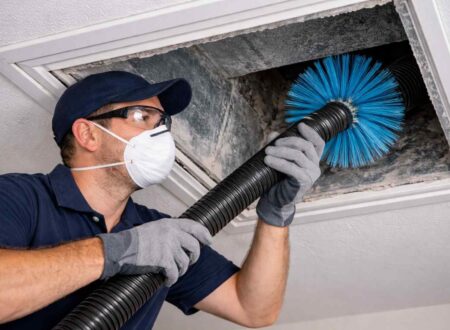
In many indoor spaces, air conditioning keeps life comfortable, whether you are staying in your home or working in an office. But sometimes this cool air can quietly affect your health. I have often seen people experiencing constant headaches, headache, fatigue, or feeling fatigued, and they rarely think their AC or air conditioners are to blame. When systems are not properly maintained, poor maintenance can turn ducts into breeding grounds for bacteria, mold, and hidden pollutants. These contaminants keep circulating through the indoor air as harmful particles, and over time people start noticing respiratory issues, other respiratory issues, or simply feeling sick without a clear reason. That is why the importance of regular AC maintenance cannot be ignored. In this blog, we explore the early signs that your cooling system may be harming your comfort instead of protecting it.
The importance of AC maintenance
From my experience working around HVAC discussions and indoor air topics, the real key to prevent many health problems related to air conditioning is simple but often ignored. It is crucial to prioritize regular AC maintenance because it helps improve the efficiency of the system and ensures that pollutants, dust, mold, and bacteria do not accumulate inside ducts or filters. When these parts stay clean, the system can provide clean air, which is essential for a healthy living and working space. Experts usually schedule professional maintenance and follow proper care guidelines, because AC maintenance includes tasks like changing filters every few months, cleaning coils and ducts, and keeping the system free from mold and contaminants.
By taking these steps, you can prevent many health issues associated with air conditioning, ensuring your AC is keeping the room comfortable instead of causing harm. If you are feeling sick or noticing repeated health problems while spending time in an air-conditioned environment, it is smart to act early because maintenance plays a big role in preventing respiratory issues, skin problems, and other health concerns linked to poor air quality. A well-serviced unit keeps the system running efficiently, allowing you to enjoy the comfort of cool air without putting your health at risk. The best routine is to keep the system clean, replace filters regularly, never neglect the importance of maintaining good indoor air quality, and protect the well-being of your family.
1. Headaches and unexplained fatigue
One of the most common symptoms people notice in an air-conditioned environment is persistent headaches and deep fatigue. Many people feel tired or even lethargic after spending the day indoors, and they rarely think the indoor air quality of their space could be the reason. I have seen this happen in office buildings where AC units and central air systems keep air moving but also push the same recirculated air again and again. This air can carry contaminants like dust, mold spores, and bacteria, slowly contributing to health issues and other symptoms.
In fact, a study published in the International Journal of Epidemiology showed that people working in air-conditioned buildings reported more health complaints than those in naturally ventilated spaces, a pattern often linked to sick building syndrome. In many cases, simple steps like regular AC maintenance, changing the air filter, and cleaning the ducts can eliminate the source of hidden pollutants. I often suggest raising the temperature slightly, taking short breaks to breathe fresh air, and these small habits can quickly alleviate the problem.
2. Breathing problems and respiratory issues
In many cases, people first notice trouble when breathing problems begin to appear inside their environment. Poorly maintained air conditioning units can spread tiny particles that irritate the airways, causing discomfort without an obvious sign of what is wrong. Many people experience coughing, wheezing, or shortness of breath, and they rarely suspect the AC around them. When AC systems are neglected and not cleaned regularly, they can harbor dust, mold, and bacteria, which may trigger or worsen existing respiratory conditions. This becomes even more concerning for people with pre-existing conditions such as asthma or COPD, where even a small issue in indoor air can quickly affect health. From practical experience, the best habit is keeping air ducts clear of debris, because this simple step plays a big role in preventing respiratory issues and stopping contaminated air from turning an indoor space into an unhealthy place to breathe.
3. Dry skin and irritation
Another sign many people ignore is when their AC starts affecting their health through the development of dry, flaky skin. Modern air conditioners often remove moisture from the air, and this lack of humidity can slowly dry out the skin, leading to irritation and constant discomfort. Over time, people may notice their hair and scalp becoming prone to itching, especially if they spend long time indoors with the cooling system running. In my experience, this daily exposure means your body is exposing itself to harsh indoor conditions daily, which increases dryness and irritation. A simple routine helps: use a moisturizer to combat dryness, drink plenty of water to stay hydrated, and consider installing a humidifier in your home or office to maintain a comfortable humidity level. These small steps can prevent the drying out of the skin and reduce the impact of overly dry indoor air.
4. Mold and contaminated air
One of the biggest concerns with poorly maintained air conditioning systems is the potential growth of mold. When AC units are not cleaned regularly, they can accumulate moisture, creating the perfect environment for mold to thrive. Over time, mold spores may spread throughout the air, exposing people to a range of health issues such as throat irritation, congestion, and coughing. Many people only realize the problem when they noticed musty odors or develop unexplained allergy symptoms, which can signal mold growing inside the air conditioning unit. From practical experience, the safest approach is to prevent mold growth by scheduling routine AC inspections and proper cleaning. Always clean AC filters, look for visible mold, and check every unit carefully to stop contamination early.
5. Frequent doctor visits and health concerns
A warning many people miss is when they start visiting the doctor more frequently for issues related to the ears, nose, or throat. A long-term study conducted over two decades found that individuals working in air-conditioned buildings were more likely to seek medical attention for ENT-related issues. Many report frequent colds, throat infections, or sinus problems, especially after spending long time in an air-conditioned environment. These conditions can exacerbate existing health concerns, particularly when poor air circulation is ignored. From experience, I have noticed that regular AC maintenance plays a key role in preventing the buildup of pollutants that may contribute to repeated illnesses. Proper servicing helps in ensuring the air conditioning system provides clean, fresh air, and simple steps like adjusting filters and improving airflow can significantly mitigate these health problems.
6. Increased indoor pollutants
Many people focus on outdoor pollution, but the Environmental Protection Agency (EPA) has long warned that indoor air quality can sometimes be more contaminated than outdoor air. In buildings with central AC systems, the same air can circulate again and again, turning it into stale air filled with hidden pollutants like pollen, dust, and viruses. These particles can spread throughout a home or office, especially when proper AC maintenance is ignored. Over time, these pollutants can build up, slowly affecting your health without you realizing the cause. From what I have seen in indoor air assessments, regular servicing of cooling systems is often the simplest way to reduce these invisible risks.
7. Uncomfortable air temperature and dry conditions
Many people enjoy air conditioning, but when the air becomes too cold and dry, it can quickly feel uncomfortable and start causing problems like skin becoming irritated. While an overly warm environment can be unbearable, excessive cold from the AC can create constant discomfort and even lead to health issues such as joint pain, stiffness, or the aggravation of allergies. From experience, it is important to strike a balance when using cooling systems to ensure a comfortable, healthy environment. A simple step is to set the thermostat at a moderate temperature to avoid over-cooling the room. Some homes also benefit from using a humidifier to maintain a comfortable level of humidity in the air. Small habits like adjusting settings and ensuring proper AC maintenance can reduce dryness and ongoing discomfort indoors.